
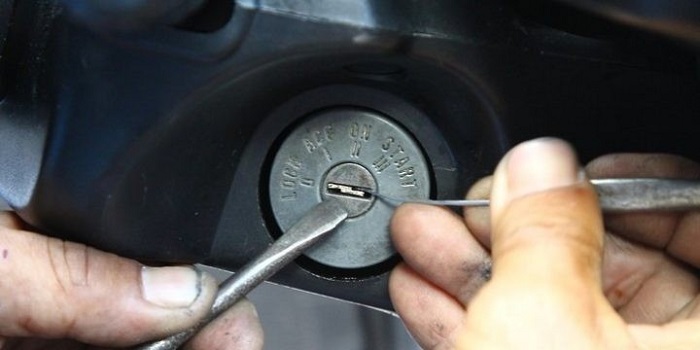
A broken key in a lock or ignition switch is a situation that most often occurs suddenly: the metal has become fatigued, the cylinder has frozen, and excessive force has been applied. The key is to avoid making the problem worse by trying to force the broken piece out or pry it out with unsuitable objects.
The correct steps depend on where exactly the key broke, how deep the fragment is, and whether a spare key is accessible. Below here is a clear sequence of actions and practical tips to help you open your car and avoid expensive repairs.
First Steps: How to Avoid Making Things Worse
Stop and assess the location of the break. The key could break in the door cylinder, trunk, or ignition switch. Each method varies, and sudden movements often lead to jamming.
- Do not attempt to turn the remaining fragment with a screwdriver or knife, as this could damage the cylinder pins or the ignition mechanism.
- Do not pour thick oils (such as grease or waste oil) into the lock, as they collect dirt and complicate the operation of the lock.
- Inspect the fragment: is it protruding at least 1–2 mm, is the end accessible, and is it warped in the keyhole?
- If the lock is frozen, first remove the ice (using a lock defroster, warming the key, or gently blowing warm air on it) and only then attempt to remove the fragment.
If the fragment is protruding
The safest option is to remove the fragment without applying pressure to the cylinder. Fine-toothed pliers, duckbill pliers, or a clamp will do. Grasp the protruding part and pull strictly along the key’s axis, without rocking. If it’s difficult, apply a small amount of penetrating lubricant (such as WD-40) and wait 1-2 minutes.
If the fragment is inside and not protruding
Home remedies are possible, but be careful. Sometimes a thin hook made of stiff wire or tweezers with narrow jaws can help, if you have access to the end. A thin jigsaw blade (with the teeth facing up) can also be used: insert it near the fragment, hook it with the notches, and pull it out. It’s important not to widen the hole or break the pins.
Summary: What to do if a key breaks in a car
A broken key in the ignition or door lock is an unpleasant, but solvable situation if you proceed calmly and consistently. The main goal is to avoid making the problem worse: don’t twist the broken piece, don’t try to force it inward, and don’t use brute force.
Prioritize safety, access to the vehicle, and the integrity of the lock: first, assess the position of the broken piece, then choose a gentle removal method or seek professional help promptly. The sooner you resolve the issue, the lower the risk of damaging the cylinder, immobilizer, or electronic key.
Quick Checklist
- Record the situation: where the key broke (door/ignition), is the fragment visible, is there a second key?
- Do not turn the lock or insert foreign objects deeper.
- If the fragment is protruding, try to carefully remove it with a suitable tool (without rocking or jerking).
- If the fragment is inside, stop trying at the first resistance to avoid damaging the cylinder.
- If necessary, call an auto electrician/locksmith: especially if the key has a chip, buttons, or the system does not recognize the key after the incident.
- Make a duplicate and check the condition of the second key to avoid repetitions.
- Remember: saving time “on-site” shouldn’t translate into expensive lock repairs or ignition unit replacements.
- Practical: keep a spare key separately and find the contact information of a trusted locksmith/key repair specialist for your car in advance.
Bottom line: proceed carefully, assess the risks, and call a specialist promptly – this is the most reliable way to quickly restore access and start your car without unnecessary costs.