
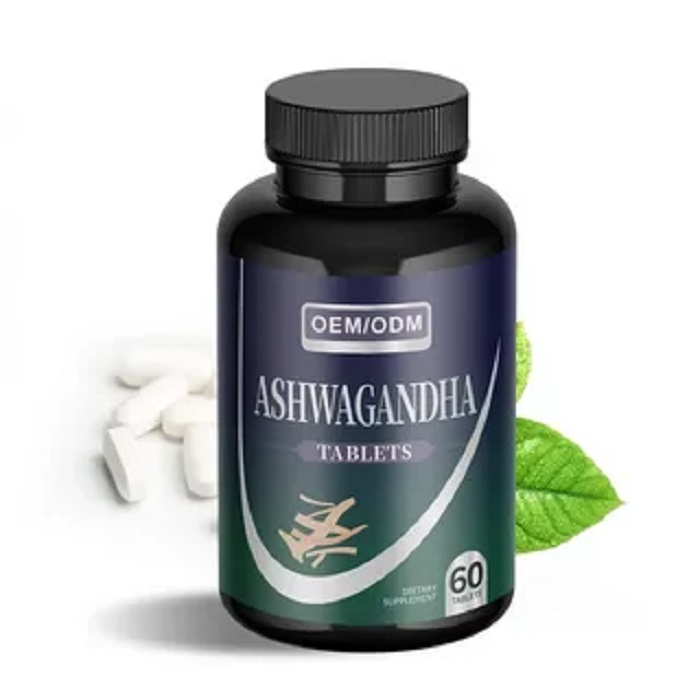
An ashwagandha capsule project should start with a tightly defined extract and serving brief, because raw-material choices, supporting ingredients, capsule format, and claims language all affect the finished product plan. An ashwagandha capsule brief needs a precise raw-material description. Record the botanical identity, available extract information, intended amount per serving, companion ingredients, capsule shell, exclusions, package, and target market. This prevents the project from being priced as a generic herb capsule when the brand expects a particular specification.
The request should state the botanical identity and extract information available to the brand, the proposed amount per serving, any companion ingredients, capsule shell preference, serving count, exclusions, package type, and target market. Unresolved sourcing or standardization questions should be noted rather than assumed away. The team should identify which elements need documentary support. Ingredient identity, standardization details, specifications, and finished-product records may matter to internal reviewers or the intended channel. Listing those needs at the briefing stage makes it easier to determine whether the proposed source and configuration are appropriate.
The consumer-facing decisions include capsule size, number of capsules, daily-use instruction, package presentation, and a product story that does not overpromise what the formula can support. Capsule design should reflect consumer instructions. Consider capsule size, number per serving, bottle count, label space, and the routine the brand expects customers to follow. These details can affect product acceptance even when the formula itself is technically feasible.
For a capsule product featuring ashwagandha, private label ashwagandha capsules gives the team a focused reference point while extract details, serving instructions, and approved copy are documented. Herbal positioning needs deliberate review. Traditional associations and general wellness language should not be treated as automatic permission for strong market claims. The brand should establish who approves final statements and how product education stays aligned with the finished formula and applicable market rules.
The quality conversation should cover ingredient identity and finished-product specifications, sample approval, package checks, and the batch documents relevant to the brand’s acceptance process. An ashwagandha capsule brief needs a precise raw-material description. Record the botanical identity, available extract information, intended amount per serving, companion ingredients, capsule shell, exclusions, package, and target market. This prevents the project from being priced as a generic herb capsule when the brand expects a particular specification.
The quote should be matched to the actual extract, inclusion rate, capsule and package configuration, expected first order, and any custom development needed to meet the brief. The team should identify which elements need documentary support. Ingredient identity, standardization details, specifications, and finished-product records may matter to internal reviewers or the intended channel. Listing those needs at the briefing stage makes it easier to determine whether the proposed source and configuration are appropriate.
Herbal product communications need careful market review and should avoid treating traditional use or a general wellness concept as a guaranteed outcome for every consumer. Capsule design should reflect consumer instructions. Consider capsule size, number per serving, bottle count, label space, and the routine the brand expects customers to follow. These details can affect product acceptance even when the formula itself is technically feasible.
A complete capsule brief helps both parties decide whether the product can move forward with a clear specification and responsible market positioning. Herbal positioning needs deliberate review. Traditional associations and general wellness language should not be treated as automatic permission for strong market claims. The brand should establish who approves final statements and how product education stays aligned with the finished formula and applicable market rules. For ashwagandha capsules, preserve the chosen extract specification, capsule configuration, serving instruction, and approved product language in the final brief. This keeps raw-material, packaging, and marketing discussions aligned as the project moves toward commercial production.