
Few destinations match Egypt’s ability to captivate and inspire travelers. This ancient land offers unparalleled opportunities to explore human civilization’s earliest achievements, experience diverse landscapes from river valleys to deserts, and connect with a culture that seamlessly blends millennia-old traditions with contemporary vitality. Egypt invites visitors to step into history while experiencing the warmth of a living, dynamic society.
Egypt’s Remarkable Historical Journey
Egyptian history extends back over five thousand years, establishing it as one of the world’s longest continuous civilizations. Around 3100 BCE, King Narmer unified the separate kingdoms of Upper and Lower Egypt, founding the first dynasty and beginning a pharaonic tradition that would endure for three millennia. During this extraordinary period, ancient Egyptians developed hieroglyphic writing systems, created sophisticated agricultural techniques, pioneered medical procedures, advanced mathematical concepts, and constructed monuments whose scale and precision continue to astound modern observers.
The pyramid age represents the pinnacle of ancient Egyptian architectural achievement. During the Old Kingdom, particularly the Fourth Dynasty, pharaohs commissioned massive pyramid complexes serving as royal tombs and symbols of divine power. These structures required unprecedented organizational capabilities, mobilizing thousands of workers and coordinating the transport and placement of millions of stone blocks. The engineering knowledge demonstrated in pyramid construction—precise alignment with celestial bodies, sophisticated internal chamber systems, and structural stability lasting millennia—suggests capabilities that seem remarkable even by contemporary standards.
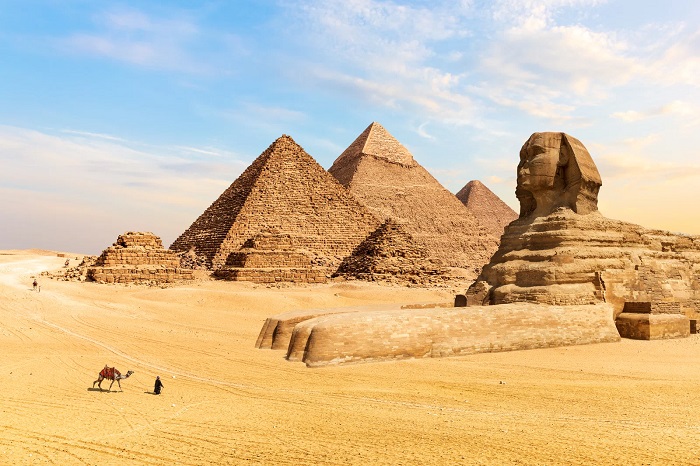
The plateau near modern Cairo showcases the most famous pyramid complex. The Great Pyramid of Khufu, constructed around 2560 BCE, originally stood 146 meters tall using approximately 2.3 million limestone blocks averaging 2.5 tons each. The precision achieved remains extraordinary—the base is level within centimeters, sides align with cardinal directions to fractions of a degree, and blocks fit so tightly that blades cannot slip between them. The Great Sphinx, carved from a single limestone outcrop, guards the complex with its enigmatic expression. Travelers engaging with Giza tours and attractions encounter these monumental achievements directly, experiencing the profound impact of standing before structures that have endured longer than most civilizations have existed.
Egyptian civilization continued evolving through subsequent periods. The Middle Kingdom emphasized cultural refinement and territorial consolidation. The New Kingdom witnessed Egypt’s transformation into an imperial power, with military campaigns extending Egyptian influence from Nubia to Syria. Pharaohs including Hatshepsut, Akhenaten, Tutankhamun, and Ramses II left magnificent temples and tombs. The Valley of the Kings contains elaborate royal tombs decorated with colorful scenes depicting the afterlife journey. Egypt’s historical narrative continued through Ptolemaic, Roman, Byzantine, and Islamic periods, each contributing architectural styles and cultural influences that enrich the country’s heritage.
Geographic Diversity and Natural Features
Egypt’s geography revolves around the Nile River, which flows northward through the country for approximately 1,500 kilometers before emptying into the Mediterranean Sea. This remarkable river has been Egypt’s lifeline since prehistoric times, providing water for human consumption and agricultural irrigation, depositing fertile silt during annual floods, and offering transportation routes that connected distant regions. The Nile’s crucial importance to Egyptian civilization cannot be overstated—without this river, Egypt would consist entirely of uninhabitable desert unable to support significant human populations.
The Nile Valley and Delta, though representing merely 4% of Egypt’s total land area, support over 95% of the country’s population. This extraordinary concentration demonstrates the river’s fundamental role in sustaining life in an arid environment. Cairo has expanded along the river’s banks into one of Africa’s largest metropolitan areas with over 20 million inhabitants. The Nile Delta, where the river branches into multiple distributaries before reaching the Mediterranean, constitutes one of the world’s most productive agricultural zones, yielding crops including rice, cotton, wheat, and vegetables that feed much of Egypt’s population.
Beyond the Nile’s green corridor lie vast desert landscapes covering approximately 96% of Egyptian territory. The Western Desert, forming part of the great Sahara, extends westward toward Libya and encompasses diverse terrain. The White Desert features wind-carved chalk formations creating surreal landscapes that resemble abstract sculptures. The Black Desert derives its distinctive character from volcanic rocks coating its surface. The Great Sand Sea contains towering dunes stretching to the horizon. Several oases interrupt the desert expanse, including Siwa near the Libyan border, famous for its Oracle of Amun consulted by Alexander the Great, along with Bahariya, Farafra, Dakhla, and Kharga, each supporting communities that have maintained distinctive traditions for millennia.
The Eastern Desert separates the Nile from the Red Sea, characterized by rugged mountains and wadis that occasionally channel flash flood waters. The Red Sea Mountains contain ancient mining sites where pharaohs extracted gold, copper, turquoise, and other precious materials. These mountains rise to over 2,000 meters, creating dramatic landscapes and formidable barriers between the river valley and the coast.
The Red Sea itself harbors one of Earth’s most spectacular marine ecosystems. Coral reefs support over 1,000 fish species and 200 coral types, creating underwater gardens of extraordinary beauty and biodiversity. The combination of warm, clear water, minimal tidal fluctuation, and accessible reef locations makes this region ideal for diving and snorkeling. The Sinai Peninsula bridges Africa and Asia, featuring Mount Sinai’s sacred peak where Moses is said to have received the Ten Commandments, Saint Catherine’s Monastery housing a Christian community since the 6th century, and pristine beaches and coral reefs at its southern tip.
Climate Characteristics and Social Landscape
Egypt experiences a hot desert climate characterized by abundant sunshine, minimal rainfall, and significant temperature variations between seasons and regions. Summer extends from May through September, bringing extreme heat particularly to southern areas. Temperatures in Luxor and Aswan routinely exceed 40°C (104°F), with maximums occasionally reaching 45°C (113°F) or higher during peak summer months. Cairo and the Delta experience somewhat lower maximum temperatures but suffer from high humidity levels that intensify heat’s effects and compromise the body’s cooling mechanisms. Coastal regions benefit from sea breezes that moderate temperatures and improve comfort significantly.
Winter months from November through March provide ideal conditions for tourism and outdoor exploration. Daytime temperatures typically range from 15-25°C (59-77°F), perfect for visiting archaeological sites and engaging in outdoor activities. However, winter nights can be surprisingly cold, especially in desert regions and Upper Egypt where temperatures may drop to 5°C (41°F) or below. Buildings often lack central heating, making warm layers essential for evening and early morning comfort.
Precipitation is scarce throughout most of Egypt, with many regions receiving less than 25 millimeters annually. The Mediterranean coast experiences more rainfall during winter months, supporting more diverse vegetation than interior areas. Spring sometimes brings the khamsin, hot desert winds carrying sand and dust that reduce visibility and create uncomfortable conditions lasting several days. Understanding these climatic patterns assists travelers in choosing optimal timing and packing appropriate clothing. Many visitors find that arranging vacations in egypt during shoulder seasons of March-April or October-November provides excellent weather while avoiding peak season crowds and maximizing overall value.
Egyptian society reflects the convergence of pharaonic heritage, Islamic traditions, and modern influences. With over 100 million inhabitants, Egypt holds the distinction of being the Arab world’s most populous nation. The vast majority of Egyptians are Sunni Muslims, while Coptic Christians comprise approximately 10% of the population, representing one of Christianity’s oldest continuous denominations. Religious observance remains high, with mosques broadcasting prayer calls five times daily that structure urban rhythms. Ramadan brings significant changes to daily patterns as Muslims fast from dawn to sunset, with business hours adjusted and social gatherings intensifying after sunset when families break their fast together.
Family constitutes the foundation of Egyptian social structure. Extended families maintain close relationships, often residing near each other and providing mutual support networks that supplement government services. Marriage and children are highly valued, with unmarried adults often facing social pressure to settle down. Gender roles remain relatively traditional, particularly in rural communities, though urban women increasingly pursue higher education and professional careers in various fields.
Egyptian hospitality is both renowned and genuine. Egyptians take considerable pride in welcoming guests and frequently extend invitations to share tea, meals, or conversation. This openness creates wonderful opportunities for authentic cultural exchange and meaningful personal connections. Egyptian Arabic serves as the primary language, differing from Modern Standard Arabic but widely understood throughout the Arab world due to Egypt’s influential entertainment industry. English is increasingly prevalent among educated populations and those working in tourism. Egyptian cuisine features beloved dishes including koshari, ful medames, ta’ameya, and molokhia, typically accompanied by fresh bread served with virtually every meal. Sweet tea and strong coffee facilitate social interactions and relationship building.
Essential Travel Guidance and Tips
Successful Egyptian travel demands careful preparation, cultural awareness, and realistic expectations about infrastructure and services in a developing nation. While experienced travelers can navigate Egypt independently, many visitors discover that organized tours deliver superior experiences, particularly for first-time visitors or those with limited time. Professional Egypt Private Tour Packages provide expert guides who transform archaeological sites from impressive ruins into compelling historical narratives, manage complex logistics including transportation and accommodations, facilitate authentic cultural interactions, and help navigate situations where language barriers or cultural differences might otherwise cause confusion or frustration.
Critical considerations for Egyptian adventures include:
- Entry Requirements: Most visitors can obtain Egyptian visas on arrival at major airports for approximately $25 USD payable in cash (US dollars, euros, or British pounds accepted), or apply for e-visas online before departure for slightly higher fees that expedite airport processing. Ensure your passport remains valid for at least six months beyond your planned departure date. Maintain photocopies of important documents separate from originals as backup.
- Health Preparations: No vaccinations are legally mandated for entry to Egypt from most countries, though hepatitis A and typhoid vaccines are recommended for most travelers. Drink only bottled water with sealed caps and avoid ice unless certain it’s made from purified water. Exercise caution with street food initially, allowing your digestive system to adjust gradually. Pack comprehensive first-aid supplies including anti-diarrheal medication, oral rehydration salts, pain relievers, antibiotic ointment, adhesive bandages, and any prescription medications in original packaging.
- Clothing Selection: Pack lightweight, breathable, modest clothing covering shoulders and knees. Long, loose garments provide sun protection while respecting cultural expectations. Women should bring lightweight scarves for covering hair when entering mosques and for additional sun protection. Comfortable walking shoes with good support are essential for archaeological sites with uneven terrain. Include sun hats, quality sunglasses with UV protection, and high-SPF sunscreen for protection against intense sunlight.
- Financial Planning: The Egyptian Pound (EGP or LE) serves as the official currency. ATMs are widely available in cities and tourist areas, offering competitive exchange rates though your bank may charge international transaction and ATM fees. Carry cash in various denominations as making change for large bills often proves problematic. Credit cards work at hotels, upscale restaurants, and many shops in tourist areas, but cash remains essential for smaller establishments, markets, transportation, and gratuities.
- Timing Your Visit: November through February offers comfortable temperatures ideal for sightseeing but brings peak tourist crowds and highest prices. December through January sees particular congestion around holiday periods. March through April and September through October provide excellent compromises with warm but manageable weather, moderate crowds, and reasonable prices. Summer brings intense heat but dramatically reduced prices and nearly empty archaeological sites for those capable of tolerating extreme temperatures.
- Safety Considerations: Egypt has invested substantially in tourism security infrastructure, with visible police and military presence at major sites, hotels, and airports. Tourist areas are generally safe, with violent crime against visitors rare. Standard precautions apply: secure valuables using hotel safes, avoid displaying expensive items, remain aware of surroundings, and stay alert for common scams including unofficial guides, inflated taxi fares, and significant merchant overcharging.
- Transportation Options: Domestic flights connect major cities efficiently and affordably, often cheaper than ground transportation when time value is considered. Airlines serve routes between Cairo, Luxor, Aswan, Hurghada, and Sharm El-Sheikh. Trains link cities along the Nile, with first-class and sleeper options providing reasonable comfort for long journeys. Ride-hailing apps operate in Cairo and major cities with transparent pricing. Nile cruises offer luxurious travel between Luxor and Aswan while visiting riverside temples.
- Digital Connectivity: Purchase local SIM cards at airports for affordable data and local calls. Major providers including Vodafone, Orange, and Etisalat offer prepaid packages with generous data allowances for approximately $10-20 USD monthly. WiFi is available at most hotels and many restaurants and cafes, though connection quality varies considerably. Download offline maps, translation apps, and important documents before traveling to remote areas.
- Cultural Respect: Learn basic Arabic greetings including “as-salamu alaykum” (peace be upon you), “shukran” (thank you), “min fadlak” (please), and “la” (no). Remove shoes when entering mosques and some private homes. Dress modestly at religious sites. During Ramadan, avoid eating, drinking, or smoking in public during daylight hours. Always request permission before photographing people, particularly women and children.
- Photography Rules: Most archaeological sites permit photography for personal use, though some charge separate camera fees beyond entrance tickets. Flash photography is prohibited in tombs and museums to preserve ancient pigments and materials. Tripods may be restricted or require permits. Never photograph military installations, police stations, government buildings, bridges, or other infrastructure. Drone usage requires difficult-to-obtain permits from multiple government agencies.
- Tipping Customs: Baksheesh is fundamental to Egyptian service culture, with service workers relying on tips to supplement base wages. Appropriate amounts include 50-100 EGP per day for tour guides, 30-50 EGP daily for drivers, 10-15% for restaurant servers unless service is included, 10-20 EGP per bag for hotel porters, 20-30 EGP daily for housekeeping, and 5-10 EGP for minor services. Keep small denomination bills readily available.
- Market Bargaining: Bargaining is expected in markets and with informal vendors but not in modern shops with posted prices. Initial asking prices often run two to five times the expected final price. Start by offering roughly one-third to one-half the asking price and negotiate pleasantly. Never begin bargaining unless genuinely interested in purchasing. Once you agree on a price, honor that commitment.