
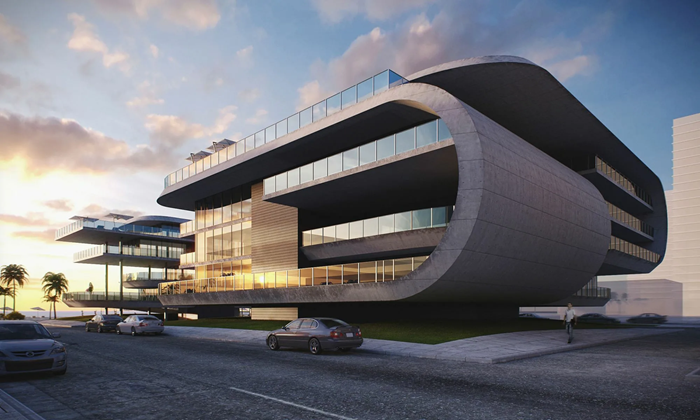
3D product rendering is the process of creating photorealistic or stylized images of a product based on its 3D model, where shape, materials, lighting, and environment are detailed.
This approach allows for a visual representation of the product before production or photography, allowing for rapid testing of various design options and the demonstration of characteristics difficult to convey in conventional photographs.
Essentially, 3D visualization transforms technical data and the designer’s vision into a visual result suitable for marketing, e-commerce, packaging, and presentations. Professional 3D product rendering services help achieve consistent visual quality, accurate reproduction of materials and dimensions, and speed up content updates when a model or product range changes.
Definition of 3D Product Visualization and Its Role in 3D Product Rendering
Within the topic “3D Product Rendering: Concept and Essence,” 3D visualization is the result of the rendering process: a scene is assembled from a model, materials, light sources, and environment, resulting in frames that are as close as possible to photographs or, conversely, intentionally stylized. This approach allows for product demonstrations before production, quick product changes, and the creation of consistently high-quality visuals for different sales channels.
How is it different from photos and 2D graphics?
The difference from photography lies in the source of “reality”: a photo captures a physical object and shooting conditions, while 3D visualization calculates an image based on specified parameters. Therefore, 3D makes it easier to control every detail—from viewing angle and depth of field to the clarity of highlights on glossy surfaces—without the need for studio rentals, props, or sample logistics.
The difference from 2D graphics is the presence of volume as a basis. 2D illustration and collage are based on a plane: the artist “draws” or imitates perspective and light, while changes in angle and shape require essentially new rendering. In 3D, an object exists as a model, making it easy to create a series of camera angles, animations, exploded views, and material variations (for example, different body colors or fabric textures) without rebuilding the content from scratch.
- Photo: The actual product and real-world limitations (sample availability, shooting environment, imperfections, and lighting stability).
- 2D graphics: Quick stylizations and diagrams, but limited flexibility in camera angles and photorealism.
- 3D visualization: Controlled photorealism and scalability – a single digital product asset for multiple tasks.