
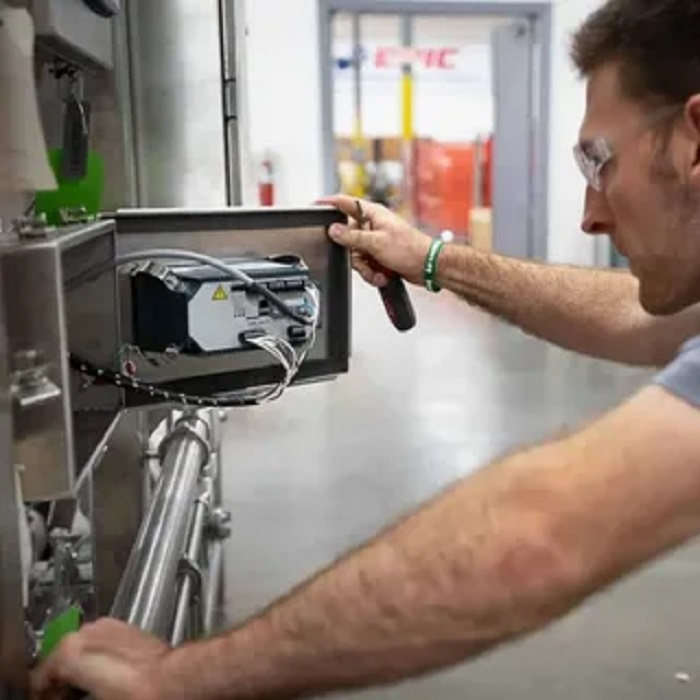
Upgrading legacy machinery often exposes a connector problem that was hidden when the equipment was new: drawings are incomplete, spare parts are inconsistent, and the original mating interface may no longer be easy to identify. A successful retrofit begins with evidence gathered from the machine itself. Engineers should document the existing counterpart, circuit purpose, mounting arrangement, and cable route before selecting a new component. Replacing a familiar-looking shell without that work can create an incompatibility that appears only during commissioning.
The first task is to separate what is known from what is assumed. Photograph both sides of the interface, record any markings, measure the accessible envelope, and trace the cable to its equipment function. If the machine has multiple similar connections, label them by location rather than by appearance alone. This investigation gives the project a baseline and helps determine whether the goal is a direct replacement, an adapter, a revised harness, or a broader control-system change.
Mechanical fit is only one part of the retrofit. The proposed connection must also suit the circuit, mating arrangement, cable construction, and service process. A component may fit in the same panel opening while presenting a different termination method or cable exit direction. It may require a new connector on the mating cable or alter the clearance needed behind the enclosure. The review should make those changes visible before materials are ordered.
A comparison of waterproof circular connectors can help a retrofit team organize options among M5, M8, and M12 formats and different installation approaches. The category should be used to inform a controlled comparison, not to imply interchangeability between interfaces that share a threaded form but differ in their actual mating or circuit requirements.
A retrofit sample should be tested in the real equipment context. Fit the proposed part where it will operate, mate it with the required counterpart, route the intended cable, and check the access available to assembly and service personnel. Where the upgrade affects a cabinet, door, or external harness, include those parts in the mock-up. Bench testing can confirm individual features, while the installed trial reveals whether the revised interface creates a hidden routing or accessibility problem.
Configuration management is especially useful on older assets because knowledge may be distributed across maintenance notes, supplier invoices, and informal workarounds. Create a simple record of the interface selected for each equipment version. Include the reason for the change, any adapter or harness revision, and the evidence used for acceptance. This allows the organization to order consistent spares later and prevents different facilities from applying conflicting modifications to similar machines.
Purchasing should request quotations against the documented retrofit scope. A useful request includes the existing interface evidence, intended function, desired quantity, installation condition, and sample purpose. If a supplier offers an alternative, the answer can then be reviewed against the same compatibility sheet. This is more reliable than accepting an alternative on the basis of a short product description or an unverified assumption about the original design.
Legacy upgrades are safest when the connector is treated as a system interface rather than an isolated part. Capture the original condition, define the desired change, validate the proposed arrangement on the equipment, and retain the approval record. That process makes the retrofit easier to reproduce and gives future maintainers a clear explanation of why the interface changed. Before a retrofit order is released, build a compatibility sheet that compares the original and proposed interfaces line by line. It should name the existing counterpart, circuit role, contact arrangement, coding, enclosure location, cable path, and service access. That sheet does not replace testing, but it makes the test purposeful. When a discrepancy appears, the team can decide whether to adapt the system deliberately or preserve the existing interface without guessing.